Apprenticeships
An Apprenticeship is the perfect choice if you want to continue your studies by developing your skills, knowledge and behaviours, whilst also earning a salary.
It can be your first step in helping to decide on a long-term career, OR it can be a way to upskill in your current role.
You can either apply for an Apprenticeship course and our Engagement Team will match you with a local employer, or you could apply to a specific Apprenticeship vacancy already listed and wait to hear back from our Apprenticeships Team.
Apply for an Apprenticeship course
Can't find what you're looking for? Don't hesitate to get in touch!
Apprentice Alumni
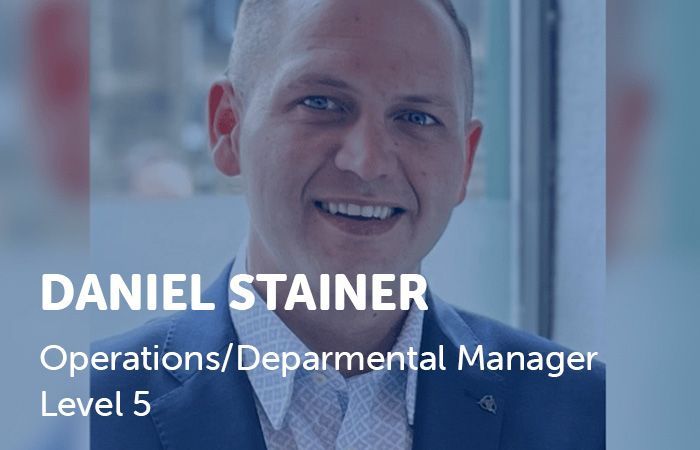

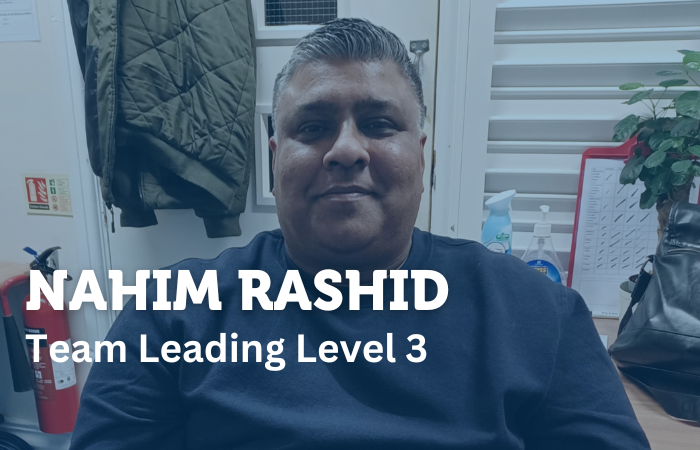
What our Apprentices have to say...
Apprenticeship faqs
How do I prepare for an Apprenticeship?
Step 1: Research
View our current Apprenticeship vacancies to find a role that suits you. You could cut out the competition and find your own Apprenticeship by contacting a local employer. Sign up to our Apprenticeship Vacancy Mailing List to receive fortnightly alerts straight to your inbox.
Step 2: Write a CV
Tell your future employer what kind of career and Apprenticeship you're looking for. Tailor your CV to suit the industry you're interested in.
Step 3: Apply
Follow the instructions on your chosen Apprenticeship vacancy to apply. You can also apply for an Apprenticeship course even if you haven't yet found a suitable work placement. We will support you through our vacancy-matching service and help you find an Apprenticeship suitable for you.
Step 4: Interview
We'll invite you into College for an informal discussion and decide which course would suit you the most. You'll then get to impress employers and show them why you're the best person for the job!
Step 5: Feedback
We'll let you know if your application has been successful and provide valuable feedback.
Contact our Apprenticeship Team to learn more about becoming an apprentice.
How do Apprenticeships work?
Here at LMC we offer job matching services for those still searching for an employer and we provide a range of training sessions from CV writing, confidence building and interview techniques.
Once matched to your employer, you will begin working as a full-time member of staff in your workplace where you will receive visits from your assessor or have a day release from work to attend College weekly. You will be observed in your job role and helped to build a portfolio of evidence to prove your competence against industry standards.
An apprenticeship consists of 20% off-the-job hours (training/studying) and 80% in the workplace. The off-the-job hours need to take place during the apprentice’s normal working hours. Only training that helps the apprentice learn new knowledge, skills and behaviours – directly related to the specific apprenticeship standard – will count as off-the-job hours.
Information about off-the-job hours
What counts as off-the-job hours
During your one day a week (or block release) at College you'll be completing assignments related to your job role whilst studying Functional Skills such as English and Maths (if not yet achieved). At the end of your apprenticeship, you will be expected to sit an EPA (end-point assessment), generally, consisting of a multiple-choice knowledge test, professional discussion and a practical assessment based on your specific course.
Can I get financial or transport support?
As an apprentice at Lancaster & Morecambe College, you may be entitled to funding to support you in your studies. This could include free or discounted bus passes, refunds for travel expenses, hardship funding, or the Apprenticeship Care Leavers' Bursary.
Learn more about the Apprenticeship Financial Support available. If you have any queries, call the Student Money Team, or contact them via email.
What are the benefits to an Apprenticeship?
It's the start to your career and a viable alternative to Full Time education. Following an Apprenticeship, you can progress onto Access courses, HNCs and HNDs, go direct onto a university course OR continue in full time employment.
An Apprenticeship teaches you the skills, knowledge and behaviours required to succeed in your chosen industry, laying the foundations in your career.
You get to earn while you learn! Find out more about the the apprentice salary.
Find out here how two apprentices at ICS Accounting used their skills, knowledge and behaviours to progress in their careers.
How is an Apprenticeship assessed?
All apprentices in England are assessed at the end of their training to ensure they are competent in their occupation and can perform all the aspects of their role, showcasing the skills they've learned during the Apprenticeship.
To get the best out of your Apprenticeship, it's helpful to think about your End Point Assessment when you begin your training. This will include a minimum of 2 distinct assessment methods which can include:
- practical assessment
- a project
- an interview and presentation
- written or multiple-choice tests
- an observation in the workplace
View the UK Government's official guidance on an apprentice's End Point Assessment.
Other Useful Links
Your Industry Professional Tutors
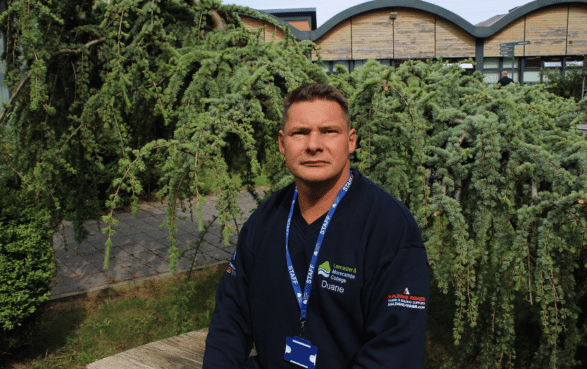
Be prepared to work hard and be challenged. The more you put in, the more you will get out of the course. It's a rewarding experience as you can clearly see your skills develop. There is also a great demand for skilled plasterers and the potential for good earnings, so why not give it a go?

I love working with people of all ages and backgrounds and seeing them make progress and achieve their qualifications, sometimes in “small” ways, such as remembering how to do a written multiplication.
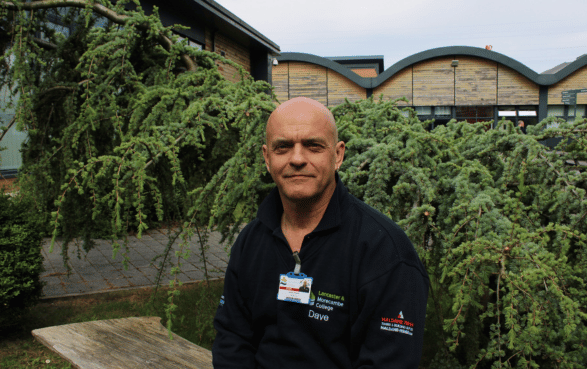
My favourite part of my role is being able to recall my industry knowledge and then passing it onto my students. The knowledge I have from working in the industry gives the students a better understanding of real life situations and how to transfer their skills into future careers.

I enjoy sharing my knowledge and experience of animals with students and seeing a learners journey as they make progress. The best part of teaching the course would definitely be the experience we offer learners, it's a unique and hands on way of developing their knowledge of working with animals.
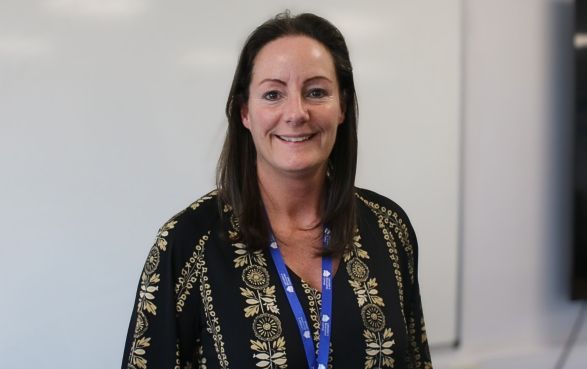
I love working with my students and helping them to achieve their goals. It is extremely rewarding when students pass their exams, grasp a complex concept, and, ultimately, succeed in their qualification and in their careers.
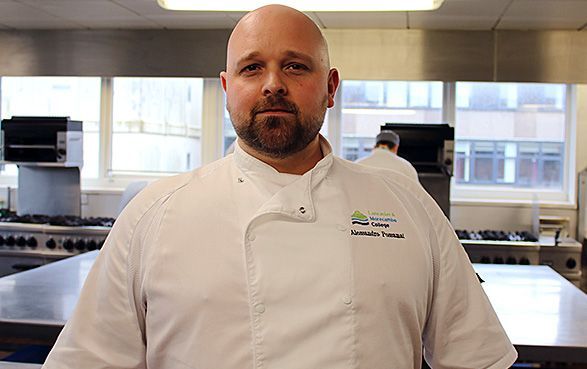
I love working with such keen and dedicated staff and students. I also like how every day is different because we attract such a wide range of students including year 11 from local high schools aged 16-18 who apply to the full time courses, to adult students who attend the part time courses. It’s nice to work with so many people from all different backgrounds and cultures who share a passion for cooking.

I’ve seen first hand how learners from all backgrounds thrive here at College, and it’s amazing to watch their confidence grow as they realise what they’re capable of. Education really can open doors, and LMC is a great place to start that journey.
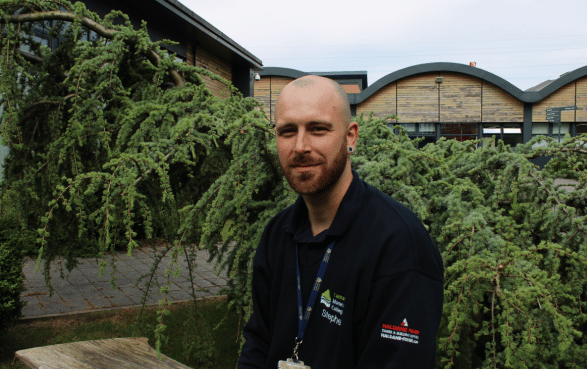
Welding particularly is like lego for adults – its great fun making things. Whereas Engineering will teach you why things are made the way they are and a combination of both will give you the skills to make almost anything you can think of! Why not give it a go!
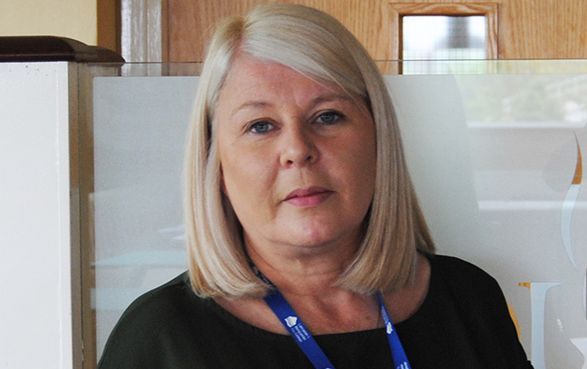
If you want the opportunity to use and develop practical skills, learn about an accessible vocational area, have fun, work hard and deal with the public then this is the course for you. LMC is a great community asset and I think the local district are lucky to have such a modern, flexible and engaging place of education.
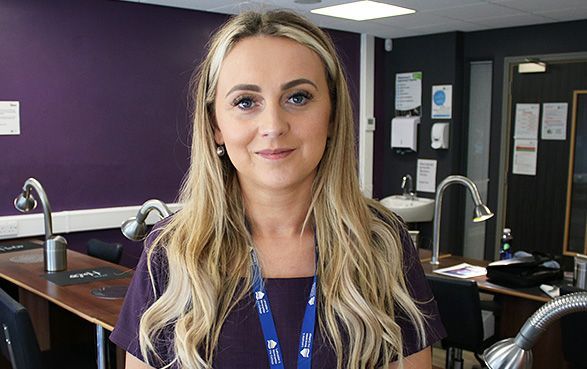
My favourite part of this role is working with such an amazing team here at Lancaster & Morecambe College, and also being able to pass on my industry knowledge to all my students and support them in their journey to becoming a Beauty Therapist.

Working with my learners and seeing their knowledge and confidence build throughout their learning is great to see. I really enjoy it when they can relate what we have learnt to their own working roles, and develop this even further to see how everything intertwines within the industry.

I was keen to join the fantastic team at LMC and to broaden my horizons after teaching and leading in primary education for many years.

As soon as interviewed, I knew I was keen to work here. I loved the atmosphere of the classrooms and the department that John and the rest of the team have created. One of my favourite things about the role is getting to talk about my passion, it’s not often people get to do that for a living. I’m very lucky!

If you are interested in finding out more about how children learn and how we best support them, are considering a career in education, child psychology or social work put LMC at the top of your list! We have excellent industry links for placement experience and combined with our experienced and highly qualified lecturers, we can give you a real edge in the world of work or applying for university.

We have a very knowledgeable and dedicated team from different areas of the animal industry. We offer a range of courses in Animal Studies at different levels to cater for a wide range of students. Practically, you will work with a range of animals on site, spend time in our laboratories and hone your skills further during independent work-related experience. Working with animals can be a fun and rewarding career but it does involve hard graft and dedication!